Dummy Account!

What customers say

The collection of testimonials showcases a variety of fascinating birds and plants native to the high-altitude regions of South America, while providing intriguing facts that highlight their unique characteristics and ecological importance. The Red-gartered Coot, Pied-billed Grebe, and other waterbirds enchant with their diverse habitats and behaviors, while plants like the Andean Blackberry and Giant Rosette offer valuable ecological benefits and delicious fruits. Customers appreciate learning about the beauty and functionality of these species, enhancing their appreciation for nature. Overall, this information inspires a sense of connection to these incredible living entities and promotes an eco-friendly mindset.

Review highlights

Fascinating speciesUnique characteristicsEcological importanceDelicious fruitGreat for nature lovers

Do you want to save money? Use this Sign-up Page to earn a discount while collecting your Testimonials!


TE
The Frailejón (Espeletia)

THE BEST PLANT IN THE WORLD!

A giant rosette plant native to the high-altitude Andean páramos of Colombia, Venezuela, and Ecuador. It is characterized by its thick trunk and a dense rosette of soft, woolly leaves that protect it from freezing temperatures and intense UV radiation. It stands as a guardian of the mountains, often dominating the misty landscapes above the tree line. Fun fact: These plants are living water factories—the thick hairs on their leaves capture moisture directly from the fog and release it into the soil, eventually feeding the rivers that supply water to millions of people. They also require immense patience, as they grow incredibly slowly, often just 1 centimeter per year!

This is an example of how the Custom Cards works!


GC
Gentianella corymbosa
The Andean Gentian, also known as Genciana de Páramo, is a small, striking herb native to the high-altitude páramos of Colombia and Venezuela. It is easily recognized by its bell-shaped flowers, which usually have white or pale lilac petals featuring distinct dark violet longitudinal lines. Fun fact: This pretty flower packs a punch—it is known for its intense bitterness, a trait shared by the Gentian family. Because of this, it has long been used in traditional medicine as a powerful tonic to treat stomach ailments, fatigue, and even to "purify the blood".

Pipraeidea bonariensis

Blue-and-yellow Tanager

In many regions, it is called Naranjero (Orange-grower/Orange-eater)
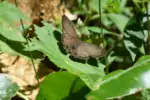
Grallaria ruficapilla

Chestnut-crowned Antpitta

Monochaetum myrtoideum
The Angelito (The Little Angel), also known locally as Saltón or Sietecueros de Páramo, is a flowering shrub native to the high Andes of Colombia and Venezuela. It is easily recognized by its vibrant magenta or violet flowers with contrasting bright yellow, curved stamens, and its small, leathery leaves which resemble those of a myrtle plant. Fun fact: This plant is essentially a miniature, high-altitude cousin of the large "Sietecueros" trees found in Andean cities like Bogotá. Its scientific name Monochaetum translates to "single bristle," referring to a tiny, unique appendage found on its stamens.

DS
Diplostephium sp.
The Romero de Páramo is a woody shrub belonging to the daisy family (Asteraceae), found in the high Andes of Colombia and Ecuador. It is characterized by its small, dense, leathery leaves—which resemble the herb rosemary—and its daisy-like flowers that can range from white to vibrant purple or lilac, often with a yellow center. Fun fact: Its scientific name, Diplostephium, comes from the Greek words diplos (double) and stephos (crown), referring to the "double crown" of bristles (pappus) found on its seeds. Because it is one of the few plants that grows woody stems at such high altitudes, it has historically been used by mountaineers and locals as firewood to survive the freezing paramo nights.


Sign up now and start collecting testimonials!

Sign up


RR
Rubus roseus

Delicious!

The Andean Blackberry, also known locally as Mora de Páramo or Mora Silvestre, is a shrub native to the high-altitude Andean regions of Colombia, Ecuador, and Venezuela. It is easily recognized by its vibrant, deep pink to magenta bell-shaped flowers and its distinctively crinkled (bullate) leaves, which—along with its prickly stems—help protect it from the harsh, cold winds of the páramo ecosystem. Fun fact: Despite looking like a rugged wild shrub, this plant is a close relative of the rose. Its fruit is a delicious, edible blackberry that locals and hikers often eat raw or use to make traditional juices and jams, providing a sweet treat in the freezing mountain temperatures.

LF
Laughing Falcon

The Laughing Falcon is a medium-sized raptor with a striking black mask and creamy plumage. It often perches quietly on exposed branches while hunting snakes, its favorite prey. Its distinctive, laughter-like call echoes through tropical forests and open woodlands of Central and South America.

Fun fact: Despite its fierce look, the Laughing Falcon rarely hunts mammals or birds — it specializes in catching snakes, including venomous species, by swooping down and striking their heads with precision. Really fast.
The Laughing Falcon is a medium-sized raptor with a striking black mask and creamy plumage. It often perches quietly on exposed branches while hunting snakes, its favorite prey. Its distinctive, laughter-like call echoes through tropical forests and open woodlands of Central and South America.

Fun fact: Despite its fierce look, the Laughing Falcon rarely hunts mammals or birds — it specializes in catching snakes, including venomous species, by swooping down and striking their heads with precision. Really fast.

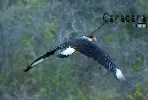
Caracara plancus
The Crested Caracara is a striking bird of prey with bold black and white plumage, an orange face, and a distinctive flat-topped crest. Unlike most raptors, it often walks on the ground searching for carrion or small prey. Caracaras are known for their intelligence — they often follow vultures to steal food or uncover carrion first by flipping debris with their beaks.

PH
Pandion haliaetus
The Osprey is a large, fish-eating raptor with long, narrow wings and a distinctive dark eye stripe. It’s known for its incredible hunting dives, catching fish with sharp talons directly from the water. Ospreys have reversible outer toes that let them grasp slippery fish with two toes in front and two behind — just like an owl!

AS
Amazilia saucerrottei
The Steely-vented Hummingbird (Amazilia saucerrottei) shines with emerald-green plumage and a metallic blue tail. Found from Honduras through Nicaragua, Costa Rica, Panama, and into Colombia and Venezuela, it hovers gracefully among flowers, feeding on nectar and pollinating plants in the process. Its presence is not only a delight to birdwatchers but also a vital link in sustaining healthy ecosystems across its tropical range.

PB
Phalacrocorax brasilianus
The Neotropic Cormorant is a familiar waterbird across the Americas, found from the southern United States through Central America and deep into South America. Recognizable by its dark plumage and yellow throat patch, it dives skillfully for fish and often perches on posts or ropes to dry its wings. Beyond its striking behavior, it plays an important role in maintaining healthy aquatic ecosystems throughout its wide range.

Do you want to save money? Use this Sign-up Page to earn a discount while collecting your Testimonials!


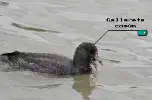
Fulica ardesiaca
The Slate-colored Coot is a medium to large waterbird of the rail family (Rallidae), found in high-altitude wetlands and lakes of the Andes, from Colombia to northern Chile and Argentina.

This is an example of how the Custom Cards works!


Podilymbus podiceps
The Pied-billed Grebe is a small, stocky waterbird belonging to the grebe family (Podicipedidae). It is widely distributed across the Americas, from Canada to southern South America, inhabiting freshwater lakes, ponds, and marshes. Fun fact: The Pied-billed Grebe is often called a “water ghost” because it can sink quietly below the surface without leaving a ripple, vanishing from sight.

Fulica armillata
Red-gartered Coot (Fulica armillata): The Red-gartered Coot is a medium-sized waterbird of the rail family (Rallidae). It is commonly found in South America, particularly in wetlands, lakes, and lagoons of Argentina, Chile, Uruguay, Paraguay, Bolivia, and southern Brazil.